English| EUR
Suggested for you
More currencies
Choose a language
Bicycle wine tours okanagan bc combine vineyard landscapes with self-paced exploration across one of Canada's premier wine regions. This guide covers operational details, route planning, and the logistics that shape a cycling winery visit.
Quick answer
Bicycle wine tours in the Okanagan Valley operate daily from 09:00 to 17:00, with no entry fee to the region itself. Individual winery tasting fees apply unless you book a tour package that includes them. Most riders start between 09:00 and 11:00 to avoid afternoon heat and allow time for multiple estate visits along routes that range from flat lakeside paths to rolling benchland climbs.
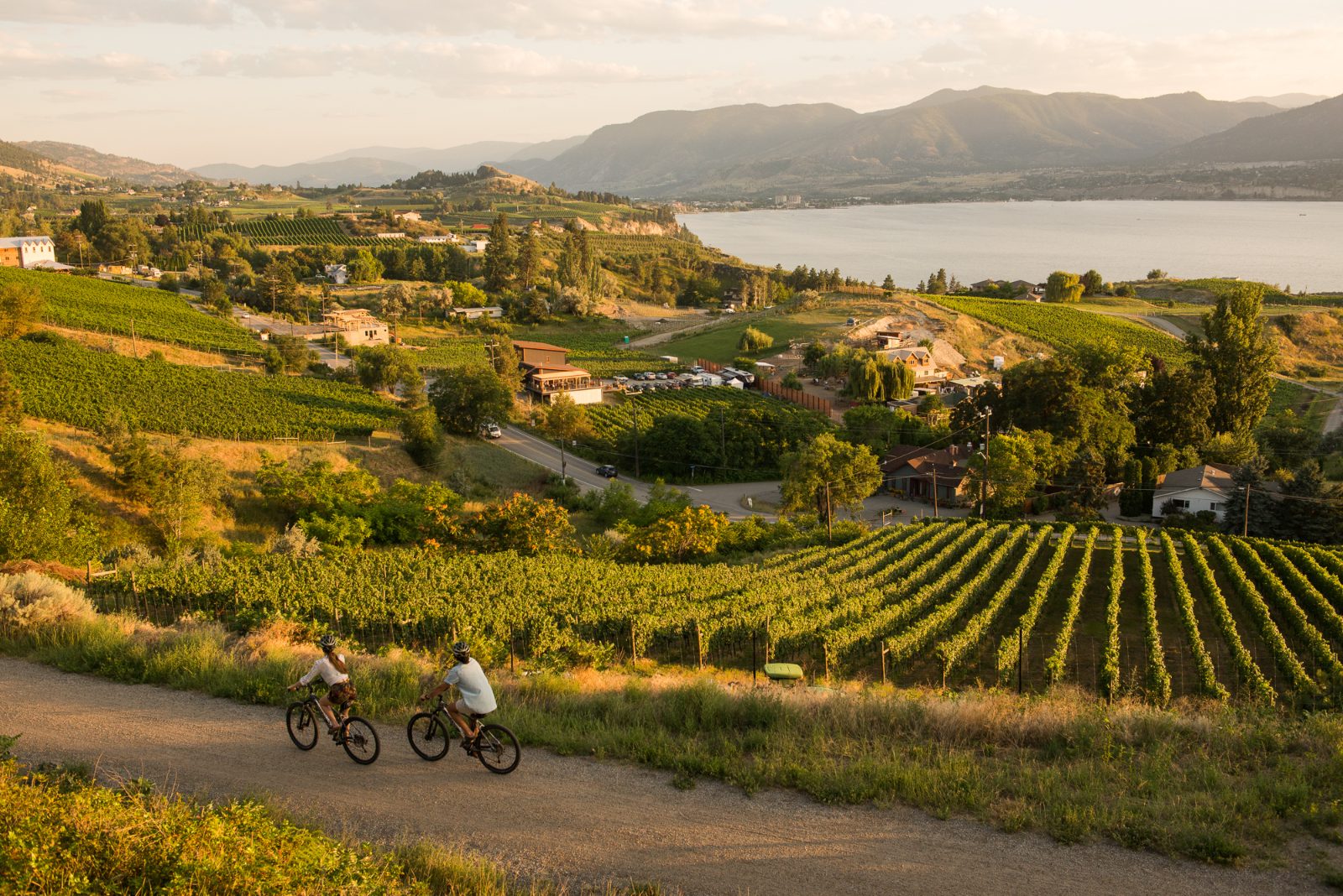
The Okanagan Valley spans 250 kilometres of vineyard-covered benchlands, lake corridors, and semi-arid slopes that together hold more than 200 licensed wineries. Bicycle wine tours okanagan bc let riders cover that terrain under their own power, linking tasting rooms, farm stands, and viewpoints without the fixed schedule of a motorcoach. Most cycling routes concentrate along three corridors. The Naramata Bench east of Penticton offers a compact 20-kilometre loop with nearly 40 estate wineries, many within a few hundred metres of each other. The Mission Hill to Quails' Gate stretch in West Kelowna follows Boucherie Road through mid-elevation vineyards with views over Okanagan Lake. The Oliver-Osoyoos Golden Mile runs flat and straight through the valley's warmest zone, where Bordeaux varieties and Syrah dominate. Each route supports both self-guided riders and organized group tours, with bike rental shops and shuttle services clustered near the main trailheads. Winery access varies by estate policy. Most tasting rooms welcome walk-ins daily from 10:00 onward, though a growing number now require advance reservations, especially during harvest season in September and October. Tasting fees typically range from 10 to 25 CAD per flight, waived with a bottle purchase at some properties. A handful of estates prohibit walk-up visits entirely and operate by appointment only; checking winery websites before departure prevents closed-gate surprises mid-route. E-bikes have reshaped the valley's cycling culture. The electric-assist models flatten the Naramata Bench's 200-metre elevation gain and extend range for riders tackling multi-winery days. Rental outfitters now stock more e-bikes than traditional road bikes, and many offer one-way shuttle service so riders can start high and coast downhill. That shift has opened wine-country cycling to a broader fitness spectrum, though it has also increased trail traffic on summer weekends when shoulder-to-shoulder tasting rooms and waitlisted reservations become the norm rather than the exception.
“The Naramata Bench packs nearly 40 estate wineries into a 20-kilometre loop, many within a few hundred metres of each other.”
The best time to experience bicycle wine tours in the Okanagan Valley is during the shoulder seasons of late spring and early autumn, specifically within the 09:00–11:00 arrival window. Starting early allows cyclists to navigate the region before peak afternoon temperatures and increased traffic volume occur.
Mild, 15°C to 22°C; bloom season.
Ideal for cycling through vineyards before the heat of mid-summer arrives.
Hot, 25°C to 30°C+
Early morning starts are essential to avoid the heat and heavy traffic.
Pleasant, 12°C to 20°C
Crisp air and harvest activity make this an active time for tours.
—
A consistent strategy for avoiding crowds and ensuring a relaxed pace at wineries.
Verdict: The optimal experience occurs on weekday mornings in May, June, September, or October, arriving between 09:00–11:00.
Bicycle wine tours in the Okanagan Valley operate on a consistent schedule throughout the week. Planning your itinerary around these daily hours ensures you have sufficient time to explore the region.
Exploring the Okanagan Valley by bicycle allows for flexible travel between vineyards. While there is no cost to enter the region, individual wineries charge fees for their tastings.
Verdict: Adults typically pay 0 CAD for general access, with total costs depending on the number of individual tasting fees incurred.
The Okanagan Valley is located in British Columbia, Canada, stretching across various regions accessible via major highways. Cyclists often utilize the Okanagan Rail Trail or local arterial roads to navigate between vineyards.
Highway 97 to regional vineyard routes
BC Transit to central regional hubs
Local winery path networks
Plan your route to utilize dedicated cycling paths like the Okanagan Rail Trail to minimize contact with high-speed vehicle traffic on Highway 97.
This itinerary suits cyclists comfortable with 20–30 km rides who want to visit three to four wineries in a half-day loop. Plan for 4–5 hours including cycling time, tastings, and breaks.
Depart from a central Kelowna location and cycle south along Lakeshore Road toward the vineyard district, warming up on flat terrain for the first 20 minutes.
Arrive at a lakeside estate for your first tasting, typically 30–45 minutes; request water refills and confirm the route to your next stop with staff.
Pedal through Naramata Bench or East Kelowna vineyard rows, enjoying gradual climbs and valley views; this leg takes 30–40 minutes depending on your pace.
Stop at a winery with a bistro or picnic area for a tasting and light meal, budgeting 60–75 minutes to rest before the return ride.
If energy permits, add a quick 20-minute tasting at a nearby boutique producer before cycling back; skip this if heat or fatigue is high.
Cycle back along shaded roads or the lakeside trail, arriving by 16:00–16:30 to avoid late-afternoon heat and ensure time for bike return.
Follow these practical strategies to maintain comfort and safety while navigating the wine regions of the Okanagan Valley.
Bring at least two liters of water, as the dry interior climate and physical exertion increase fluid loss rapidly. Refill your bottles at every winery stop to ensure a consistent supply between locations.
Carry a certified bicycle helmet and ensure your bike has high-visibility reflectors or battery-operated lights. Okanagan routes often feature varying shoulder widths, making visibility to motorists essential.
Stay to the right of the paved shoulder and use hand signals well in advance of turns. Be aware that regional roads often host heavy agricultural vehicle traffic alongside touring cyclists.
Utilize a rear pannier or a bicycle-specific rack to carry wine purchases rather than wearing a heavy backpack. Carrying weight on the bike frame improves your center of gravity and reduces physical strain.
Download offline maps of the Okanagan wine routes before departing to avoid relying on spotty cellular service in rural areas. Cross-reference your route with regional cycling maps that highlight designated bike lanes.
Everything you need to know about bicycle wine tours okanagan bc
When planning bicycle wine tours okanagan bc, consider the distance between vineyards and your personal cycling comfort. It is helpful to research the local terrain and tasting room requirements before your departure. Most visitors find that checking the operating hours ensures a smoother experience at each location. Choosing a reputable operator for your bicycle wine tours okanagan bc provides the benefit of guided navigation and safety support throughout the valley. Routes are generally selected for their scenic value and relative ease, though some paths may include rolling hills. Cycling through the vineyards allows for a relaxed pace, making these trips accessible to most casual riders. Arriving between 09:00–17:00 allows you to enjoy the full range of activities offered during daily operations. The best arrival window is 09:00–11:00, which helps you avoid the peak afternoon heat while maximizing your time at multiple locations. Entrance fee is 0 CAD, though individual winery tasting fees apply if not on a paid tour. While some tours may welcome families, age restrictions for wine tasting apply throughout British Columbia. Check individual winery policies regarding minors if you plan to travel with children. No, these tours are designed for leisure rather than high-performance sport. Most paths are paved or well-maintained gravel, intended for casual enjoyment rather than technical mountain biking. Sun protection, water, and comfortable athletic clothing are essential for your day. Since the climate can be warm, staying hydrated is important while you explore the various viticultural landscapes.